For a long time, patients felt they had to choose between "traditional" and "modern" rehabilitation. In reality, the two work beautifully together. Ayurvedic therapies prepare the body by relaxing stiffness, reducing pain and nourishing tissues, while physiotherapy uses that window to retrain movement, strength and balance.
At Greenwich Ayurveda Hospital, Kottakkal, integrated rehabilitation is at the heart of how we treat stroke, spine disorders, joint problems and neurological conditions.
Why Combine Ayurveda and Physiotherapy?
Think of rehabilitation as two jobs:
- Preparing the tissues: relieving pain, stiffness and spasm, improving circulation and nourishing weak muscles and nerves.
- Retraining function: teaching the body to move correctly again through repeated, specific practice.
Ayurveda is especially strong at the first job. Physiotherapy is built for the second. When muscles are less stiff and painful, patients can participate in physiotherapy more fully, and the gains often come faster and feel more comfortable.
Conditions That Benefit Most from Integrated Rehabilitation
- Stroke and paralysis (hemiplegia). Read about our stroke treatment and our article on realistic stroke recovery.
- Spine problems such as cervical spondylosis, lumbar disc problems and sciatica
- Neurological conditions such as Parkinson’s disease, multiple sclerosis, cerebral palsy and muscular dystrophy
- Osteoarthritis, frozen shoulder and chronic joint pain
- Sports injuries and post-surgical recovery, once cleared by the operating surgeon
- Facial palsy (Bell’s palsy)
What Ayurveda Brings to Rehabilitation
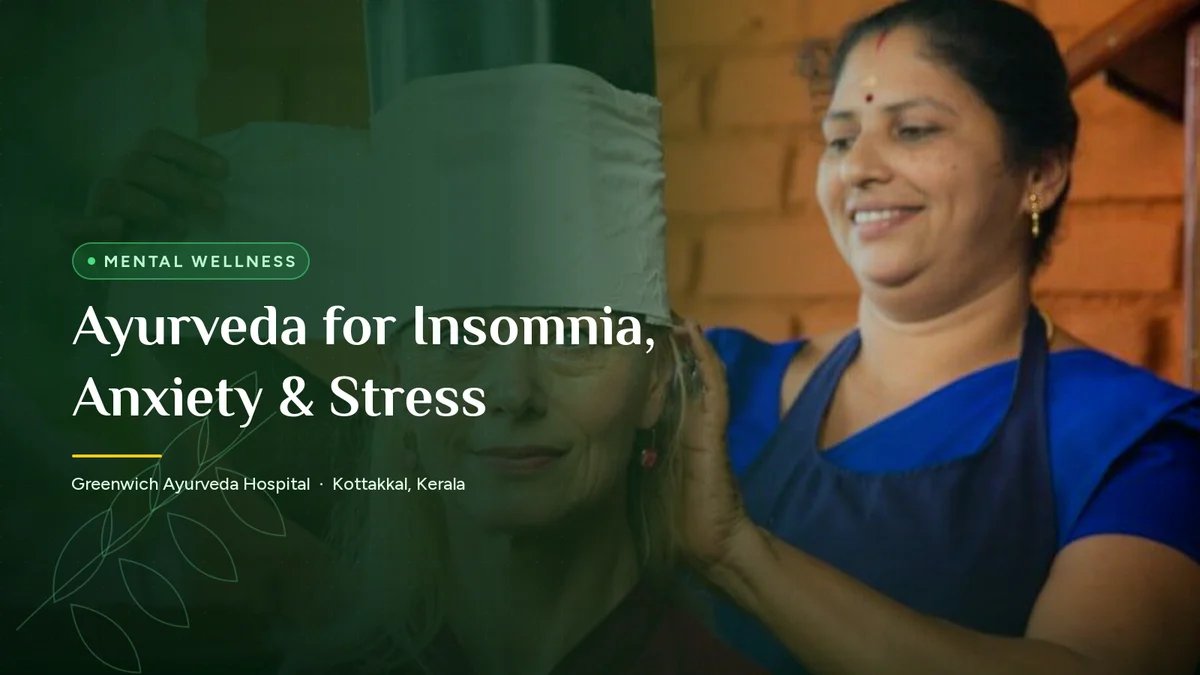
- Abhyanga and Pizhichil: warm medicated oil therapies that relax muscles and calm the nervous system. See Abhyangam and Pizhichil.
- Kizhi therapies: herbal boluses for pain and spasm (Elakizhi) or for strength and nourishment (Njavarakizhi). See Njavarakizhi.
- Local oil retention therapies: Kati Vasti, Greeva Vasti and Janu Vasti for the lower back, neck and knees.
- Vasti: the classical cornerstone of Vata treatment, important in neurological and degenerative conditions.
- Internal medicines: to reduce inflammation, support nerve health and improve digestion and sleep.
What Physiotherapy Brings
Our physiotherapy department provides:
- Task-specific training: repeated practice of real activities such as standing up, walking, reaching and gripping.
- Strengthening and endurance exercises, progressed safely.
- Balance and gait training to reduce the risk of falls.
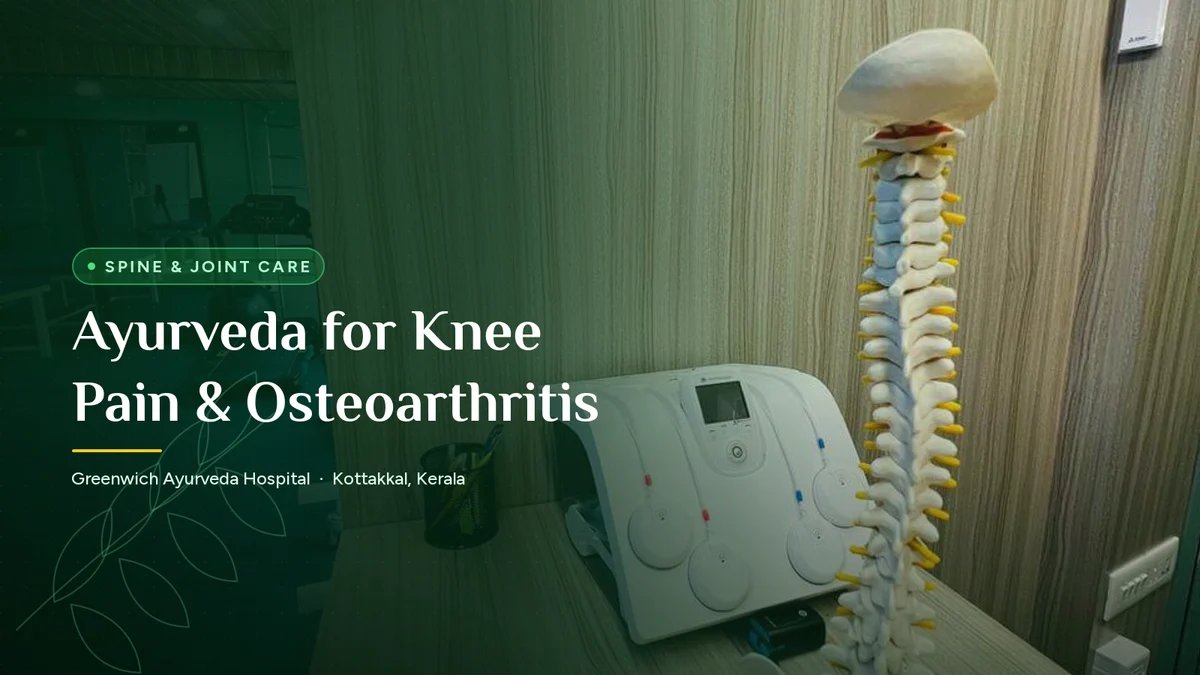
- Electrotherapy and pain-relief modalities where appropriate.
- Posture correction and ergonomic advice.
- Home exercise programmes, so progress continues after discharge.
What an Integrated Treatment Day Looks Like
Every plan is individual, but a typical day for an in-patient may include:
- Morning: physician review and medicines.
- Mid-morning: Ayurvedic therapy such as Abhyanga with Kizhi or Pizhichil, usually 60 to 90 minutes.
- After a short rest: physiotherapy session while the muscles are relaxed and more pliable.
- Afternoon: rest, light walking or practice of home exercises with family members.
- Evening: light dinner and early sleep, essential for recovery.
The timing is coordinated deliberately, so each therapy supports the next.
The Role of the Family
In long-term conditions, families make the biggest difference after discharge. During the stay, we encourage caregivers to:
- Learn safe transfers and positioning
- Understand the home exercise programme
- Recognise warning signs that need medical attention
- Support the patient emotionally, as motivation drives recovery
Realistic Expectations
Recovery depends on the condition, how long it has been present, age, overall health and how consistently therapy continues at home. Integrated care can improve comfort, mobility and independence, but it is a process, not a single event. We set clear, measurable goals at the start, such as walking a set distance or climbing stairs, and review them regularly.
Why Greenwich Ayurveda, Kottakkal?
- Ayurvedic physicians and physiotherapists working as one team under one roof
- A dedicated, well-equipped physiotherapy and rehabilitation area
- Experienced Kerala therapists trained in classical neuro and musculoskeletal therapies
- Comfortable in-patient facilities for patients and caregivers
To discuss an integrated rehabilitation plan, contact our team.
This article is for general information and is not a substitute for individual medical advice.