
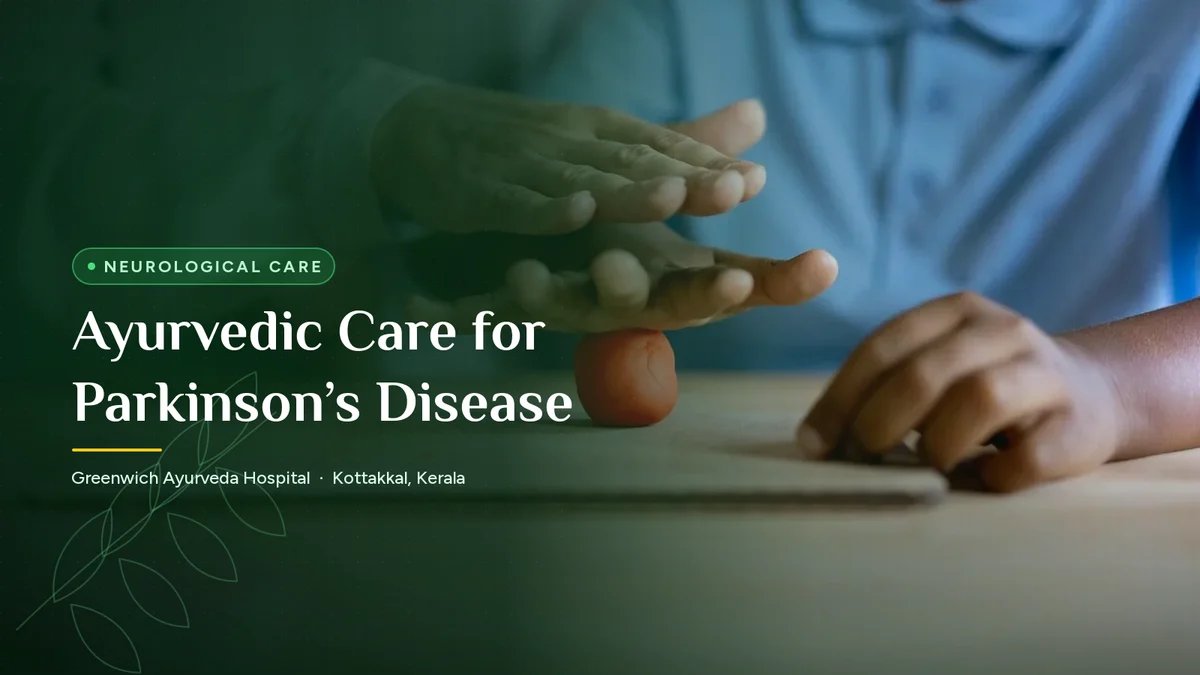
Parkinson’s disease changes life gradually. It starts with a slight tremor or stiffness and, over the years, can affect walking, speech, sleep, digestion and mood. Modern medicine, particularly levodopa-based medicines, remains essential for controlling the core symptoms. Many families, however, look for something more: a way to improve daily comfort, mobility and overall wellbeing.
This is where Kerala Ayurveda can play a meaningful supportive role. At Greenwich Ayurveda Hospital, Kottakkal, we treat Parkinson’s as a long-term partnership between the patient, the family, the neurologist and our Ayurvedic team.
How Ayurveda Understands Parkinson’s Disease
Classical Ayurvedic texts describe a condition called Kampavata, literally "tremor caused by Vata". Vata is the dosha that governs all movement in the body, including nerve impulses, muscle control and coordination. When Vata becomes aggravated and the nervous tissue (Majja Dhatu) weakens, the result is:
- Tremor (Kampa)
- Stiffness and rigidity (Stambha)
- Slowness of movement
- Dryness, constipation and disturbed sleep, all classic Vata signs
This explains why Ayurvedic treatment focuses on calming Vata, nourishing the nervous system and improving overall strength, rather than on one symptom alone.
An Important Note Before Treatment
Ayurveda does not replace your neurologist or your Parkinson’s medicines. Parkinson’s is a progressive condition, and no system of medicine currently offers a cure. Never reduce or stop your prescribed medicines without your neurologist’s advice. The goal of integrative care is to help you feel and function better while your conventional treatment continues.
Key Ayurvedic Therapies for Parkinson’s Disease
Treatment is always individualised after a detailed assessment. The following therapies are commonly part of a plan.
Abhyanga (therapeutic oil massage)
Warm, medicated oils such as those prepared with Bala (Sida cordifolia) and Ashwagandha are massaged into the body in long, rhythmic strokes. This helps relax rigid muscles and calm the nervous system. Learn more about Abhyangam.
Vasti (medicated enema therapy)
Vasti is considered the most important treatment for Vata disorders. A course alternating oil-based and herbal decoction enemas aims to pacify Vata at its main seat in the colon. Many patients also notice improved bowel movement, which is often a major problem in Parkinson’s.
Pizhichil and Njavarakizhi
Pizhichil involves warm medicated oil poured continuously over the body while it is gently massaged. Njavarakizhi uses warm boluses of medicated rice cooked in milk and herbal decoction. Both are nourishing therapies traditionally used to strengthen muscles and ease rigidity.
Shirodhara and Shirovasti
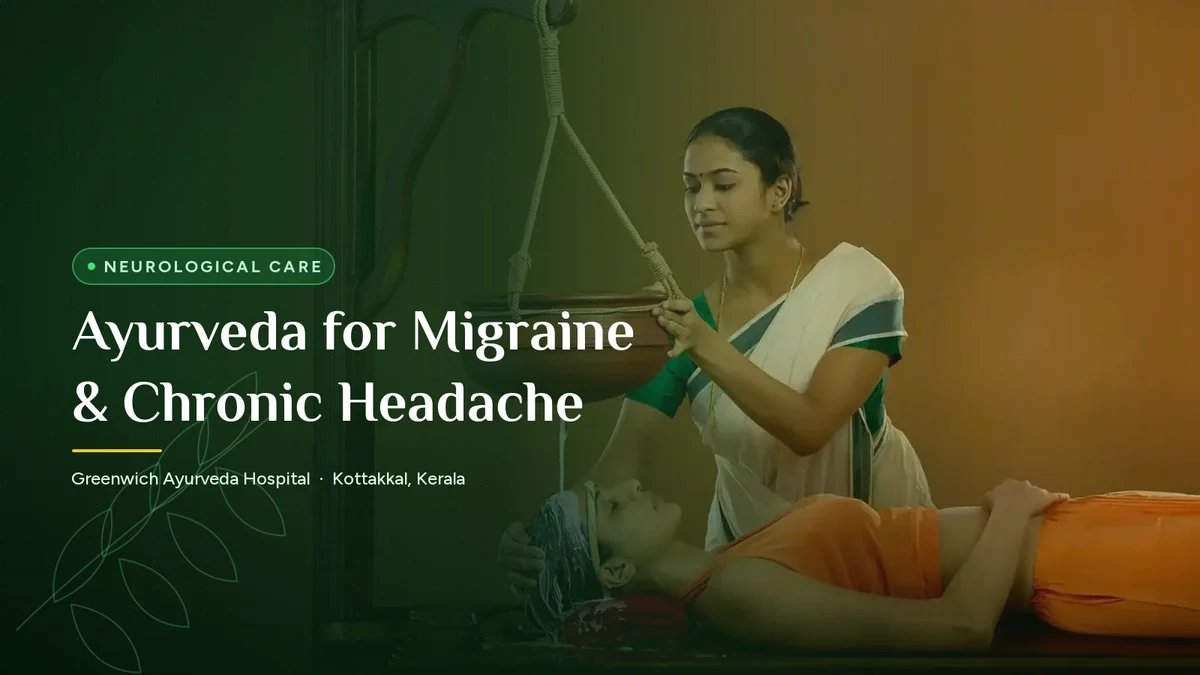
A steady stream of warm medicated oil on the forehead (Shirodhara) or oil held over the scalp in a leather cap (Shirovasti) is traditionally used to calm the mind. Patients often report better sleep and reduced anxiety.
Nasya (nasal therapy)
Medicated oil instilled into the nostrils is traditionally used for conditions of the head and nervous system. It is chosen selectively based on the patient’s condition.
Internal medicines
Classical herbal preparations may be prescribed. Kapikacchu (Mucuna pruriens) is often discussed in connection with Parkinson’s because it naturally contains L-DOPA. This is exactly why it must only be used under medical supervision, since it can interact with your existing Parkinson’s medicines.
The Role of Physiotherapy and Rehabilitation
Oil therapies prepare the muscles; movement keeps them working. Our physiotherapy team works alongside the Ayurvedic physicians to support:
- Gait training and fall prevention
- Balance and posture exercises
- Hand function and fine motor practice
- Breathing and voice exercises
- Practical guidance for family members on safe home exercise
Diet and Daily Routine for Parkinson’s
Ayurveda gives as much weight to daily habits as to therapy. General guidance (always personalised) includes:
- Warm, moist, cooked foods such as soups, khichdi, stewed vegetables and a moderate amount of ghee, which are grounding for Vata.
- High-fibre foods and adequate water to address constipation.
- Avoiding cold, dry, raw and packaged food, which aggravates Vata.
- Timing protein carefully. High-protein meals can reduce absorption of levodopa, so your doctor may suggest spacing them away from your medicine times.
- A regular daily rhythm, with fixed times for waking, meals, medicines and sleep.
What Improvements Can Patients Realistically Expect?
Every patient is different, and results depend on the stage of the disease, age and general health. With a consistent integrative approach, patients and families commonly aim for:
- Reduced muscle stiffness and body aches
- Better sleep quality
- Improved bowel regularity and appetite
- More confidence in walking and daily activities
- Better mood and energy
We avoid promising a reversal of the disease. Honest expectations are part of good care.
How Long Is a Typical Programme?
For Parkinson’s disease, an in-patient programme of 21 to 28 days is commonly recommended, as Vasti courses and nourishing therapies need time to act. Many patients return for periodic programmes, for example once or twice a year, along with home medicines and exercises.
Why Choose Greenwich Ayurveda, Kottakkal?
- Physician-led, individualised Parkinson’s care
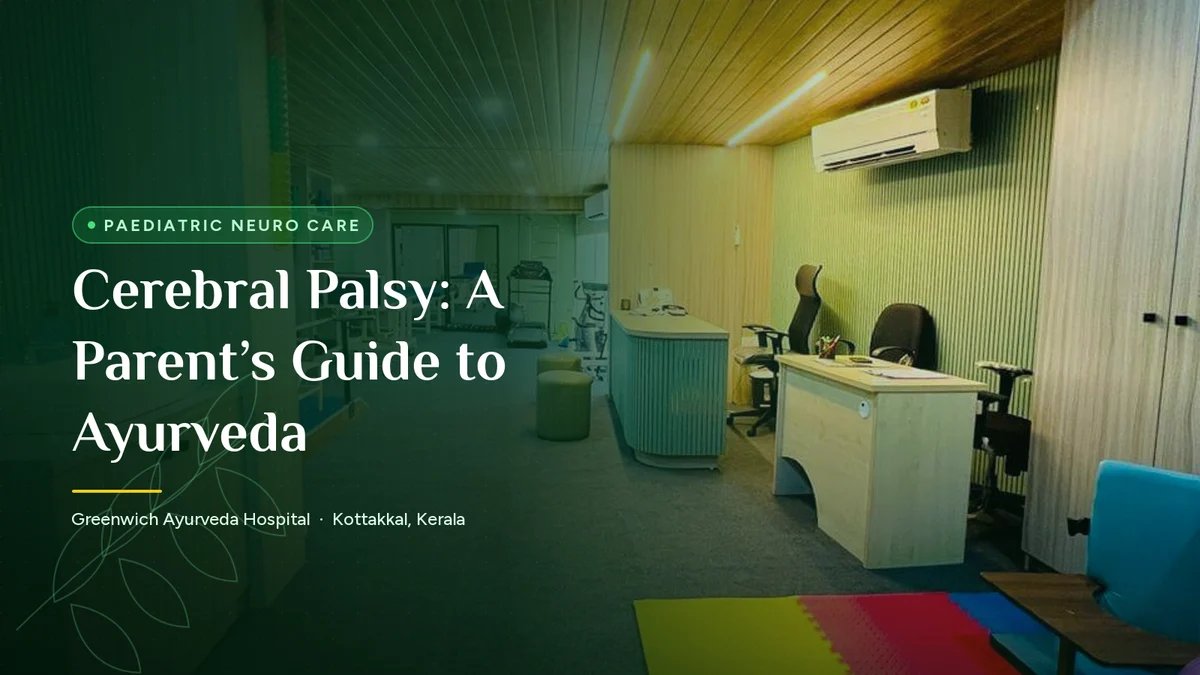
- Integrated physiotherapy and rehabilitation under one roof
- Experienced Kerala therapists trained in classical neuro-therapies
- A comfortable in-patient facility in Kottakkal, a historic centre of Ayurveda
- Respect for, and coordination with, your existing neurology treatment
If you or a family member is living with Parkinson’s disease, speak with our team to discuss whether an integrative Ayurvedic programme is right for you. You can also read about our wider approach to neurological disorder treatment.
This article is for general information only and is not a substitute for medical advice. Always consult your neurologist before changing any treatment.