
If you search for Ayurveda in Kerala, one word appears again and again: Panchakarma. It is often described loosely as a "detox", but in classical Ayurveda it is something far more precise: a structured, physician-led programme that prepares the body, removes deep-seated imbalances and then rebuilds strength.
At Greenwich Ayurveda Hospital, Kottakkal, Panchakarma is planned by our physicians for each patient individually. This guide explains what actually happens, how long it takes, and how to tell an authentic programme from a spa package.
What Is Panchakarma?
The word comes from two Sanskrit roots: Pancha (five) and Karma (actions or procedures). Classical texts such as the Charaka Samhita and Ashtanga Hridayam describe five main cleansing procedures used to expel aggravated doshas (Vata, Pitta and Kapha) from the body.
The idea behind it is straightforward. Ayurveda holds that disease begins when the doshas go out of balance and Ama (incompletely digested metabolic waste) accumulates in the tissues and channels. Medicines can calm the symptoms, but Panchakarma aims to physically clear the cause so that later treatment and diet work far better.
The Five Procedures of Panchakarma
Not every patient receives all five. The physician selects one or more depending on your constitution (Prakriti), your current imbalance (Vikriti), age, strength and the season.
- Vamana (therapeutic emesis): Used mainly for Kapha disorders such as chronic congestion, some allergies and certain skin conditions. It is done in the early morning under close supervision.
- Virechana (therapeutic purgation): The most commonly used procedure. It clears excess Pitta from the liver, gut and blood and is often used in skin diseases like psoriasis, acidity and inflammatory conditions.
- Vasti (medicated enema): Considered the most important therapy for Vata disorders, including joint pain, chronic constipation and many neurological conditions. Oil-based (Anuvasana) and decoction-based (Kashaya or Niruha) vastis are alternated in a planned sequence.
- Nasya (nasal administration): Medicated oils or herbal preparations are instilled through the nose to treat conditions of the head and neck, such as sinusitis, migraine and facial paralysis. Read more about Nasyam treatment.
- Raktamokshana (bloodletting): Used selectively for certain skin and blood-related Pitta disorders. Today it is applied in a limited, carefully controlled way.
The Three Stages of a Real Panchakarma Programme
A genuine Panchakarma is never just the main procedure. It follows three phases, and skipping any of them reduces the benefit and can even cause discomfort.
1. Purvakarma: preparation
The body is prepared so that toxins loosen and move towards the digestive tract, where they can be eliminated.
- Deepana and Pachana: herbal medicines that kindle digestion (Agni) and digest Ama.
- Snehapana: drinking medicated ghee in gradually increasing doses for several days to lubricate the tissues from inside.
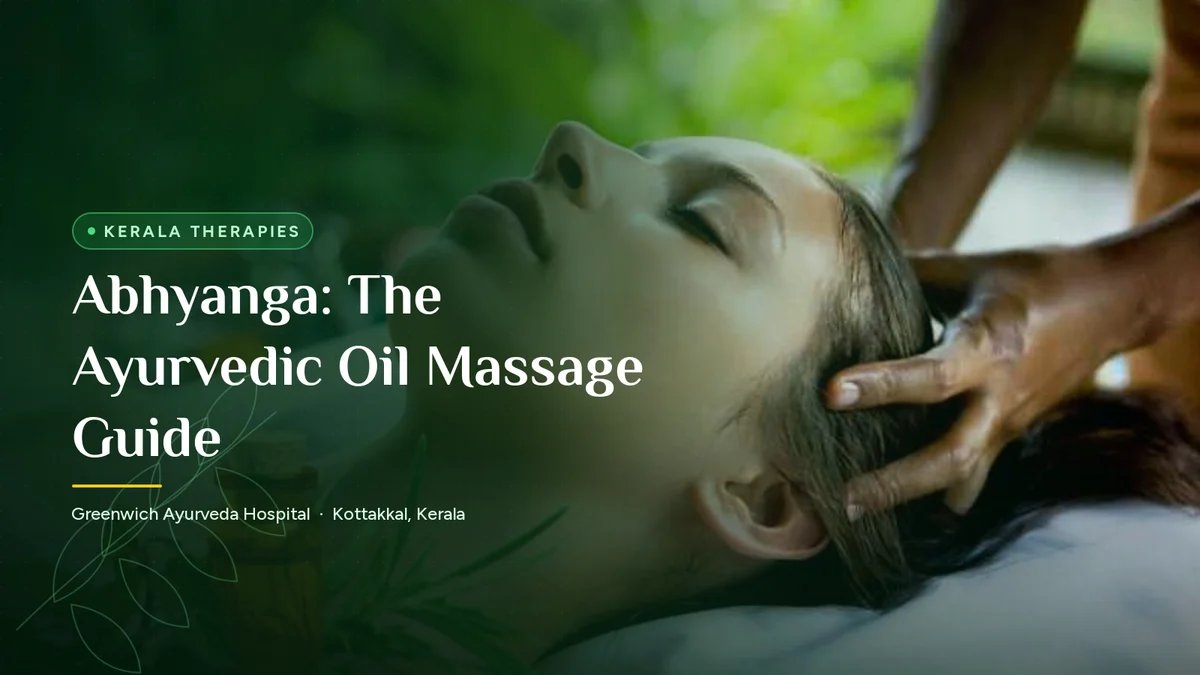
- Abhyanga: full-body massage with warm medicated oils. See our Abhyangam therapy.
- Swedana: herbal steam or sudation that opens the channels and helps the loosened doshas move.
2. Pradhanakarma: the main procedure
This is the cleansing procedure itself (Vamana, Virechana, Vasti and so on), done on a specific day chosen by the physician based on how your body has responded to preparation.
3. Paschatkarma: recovery and rebuilding
After cleansing, digestion is temporarily delicate. Samsarjana Krama, a step-by-step diet that moves from thin rice gruel to normal meals over several days, rebuilds digestive strength. Rasayana (rejuvenative) medicines may then be given to nourish the tissues. This phase is what makes the results last.
How Long Does Panchakarma Take?
Duration depends on your condition and goals. As a general guide:
- 7 days: a short preventive or seasonal programme for generally healthy people.
- 14 days: the most common length for lifestyle conditions, stress, digestive and skin problems.
- 21 to 28 days: recommended for chronic pain, spine problems and neurological conditions, where Vasti courses and supportive therapies need more time.
Your physician will confirm the exact length only after a consultation. Be cautious of anyone who fixes a programme length before examining you.
What Does a Typical Day Look Like?
Although every plan is individual, most days follow a calm, predictable rhythm:
- Early morning: waking around sunrise, taking prescribed medicines or medicated ghee on an empty stomach.
- Mid-morning: main therapies such as Abhyanga, Swedana, Shirodhara or Kizhi, usually 60 to 90 minutes.
- Afternoon: rest. Daytime sleep is usually discouraged, but quiet reading or gentle walking is fine.
- Evening: light dinner, gentle yoga or breathing practice if advised, and an early night.
The Panchakarma Diet
Food is part of the treatment, not an afterthought. During Panchakarma you can expect:
- Warm, freshly cooked, easily digestible meals such as rice gruel (kanji), green gram, steamed vegetables and simple dals.
- No cold drinks, fried food, processed food, alcohol or smoking.
- Warm water or herbal water (such as dried ginger or coriander water) through the day.
Who Can Benefit from Panchakarma?
Panchakarma is used both for prevention and for the management of chronic conditions. People commonly seek it for:
- Chronic joint and back pain, including cervical spondylosis
- Stress, burnout, poor sleep and mental fatigue
- Digestive problems such as bloating, acidity and irregular bowels
- Skin conditions including psoriasis and eczema
- Neurological rehabilitation, such as after stroke, as part of a wider plan
- Seasonal rejuvenation for otherwise healthy adults
Who Should Not Undergo Panchakarma?
Panchakarma is powerful, which is exactly why it must be supervised. It is usually avoided or modified in:
- Pregnancy
- Acute fever or active infection
- Very weak, elderly or recently operated patients (gentler protocols may still be possible)
- Uncontrolled heart, kidney or other serious conditions
If you take regular medicines for diabetes, blood pressure or any other condition, do not stop them on your own. Our physicians coordinate with your existing treatment.
How to Choose an Authentic Panchakarma Centre in Kerala
Kerala has hundreds of centres, and quality varies widely. Look for these signs:
- A qualified Ayurvedic physician (BAMS or MD-Ayurveda) examines you before treatment begins and reviews you daily.
- Treatment is individualised. If every guest receives the same package, it is a spa programme, not Panchakarma.
- Classical medicines from reliable sources are used. Kottakkal is home to some of India’s most respected Ayurvedic pharmaceutical traditions.
- Clean, hospital-grade facilities with trained therapists and proper rooms for rest.
- Clear communication about diet, the daily routine and what you may feel during the process.
Panchakarma at Greenwich Ayurveda, Kottakkal
At Greenwich Ayurveda, every Panchakarma programme begins with a detailed consultation: pulse assessment, medical history, current medicines and your goals. Your plan is then reviewed every day and adjusted to how your body responds. Our in-patient facility in Kottakkal, the heartland of classical Kerala Ayurveda, lets you rest fully between therapies, which is essential for real results.
Panchakarma is not about how many therapies you receive. It is about the right therapy, at the right time, in the right sequence.
Final Thoughts
When it is done properly, Panchakarma is one of the most complete healing systems in traditional medicine. It works best when you give it enough time, follow the diet, and trust a qualified team to guide each stage.
If you are considering Panchakarma in Kerala, contact our team to discuss your health goals and the programme length that suits you.
This article is for general information and does not replace a medical consultation. Treatment plans are decided only after a physician’s assessment.